.svg)
.svg)
How to Cook Halibut (Bake, Grill, or Sear) Without Drying It Out
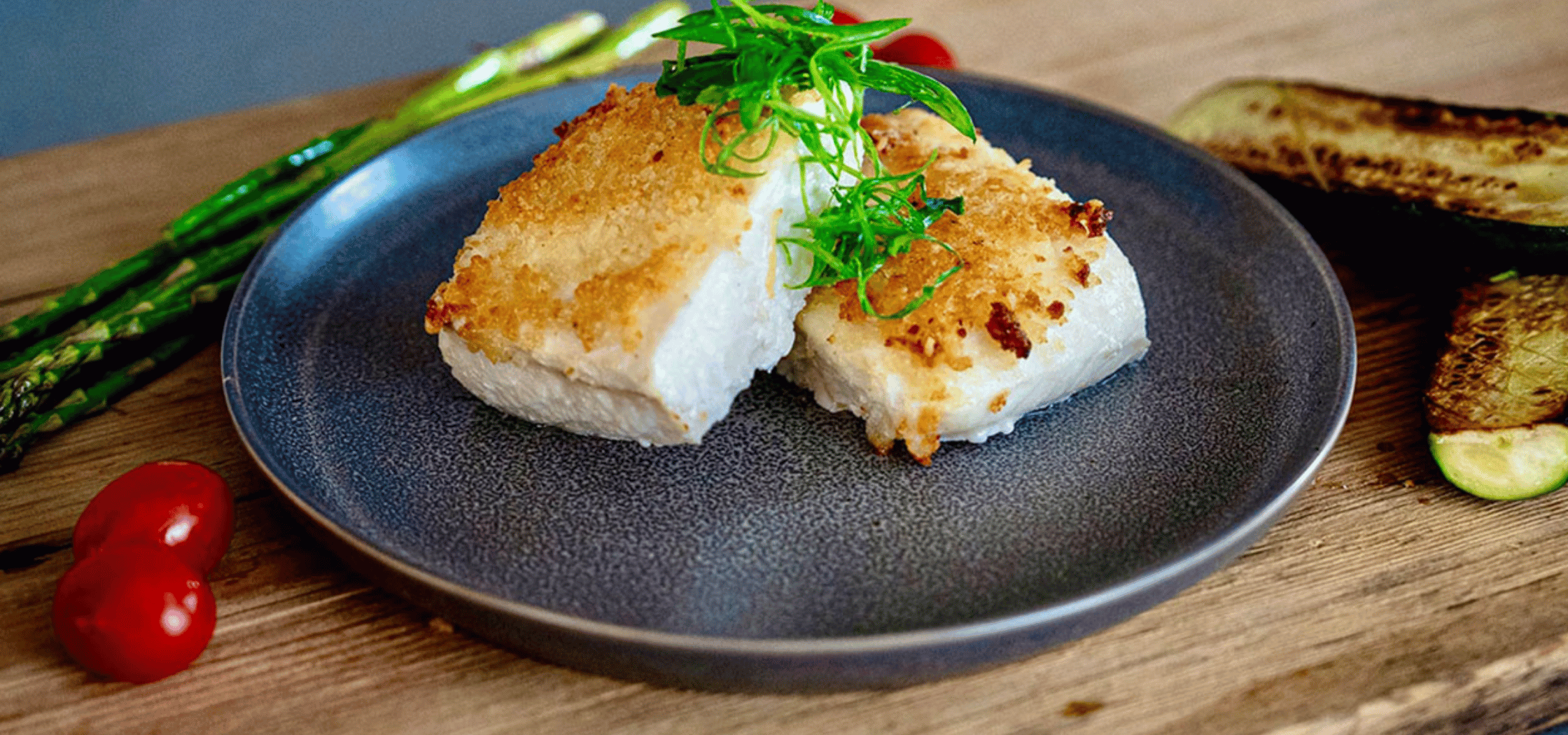
Halibut is one of our favorite wild caught Alaska fish, and it's pretty easy to see why. It's mild, a little sweet, firm enough to hold up on the grill, and is versatile enough to go with just about anything.
One thing to know before you start cooking, is that halibut is lean. This is why people love it, but it's also why it can go from tender and flaky to dry in a hurry if you're not paying attention.
The good news is that cooking halibut well isn't hard once you know the secret. Well, it’s not a secret, just the stuff you wish someone had told you sooner. Whether you're baking it, grilling it, or searing it in a pan, it comes down to a couple tricks that work every time.
So let's get into it! Here's how to cook halibut without drying it out, no matter which method you pick.
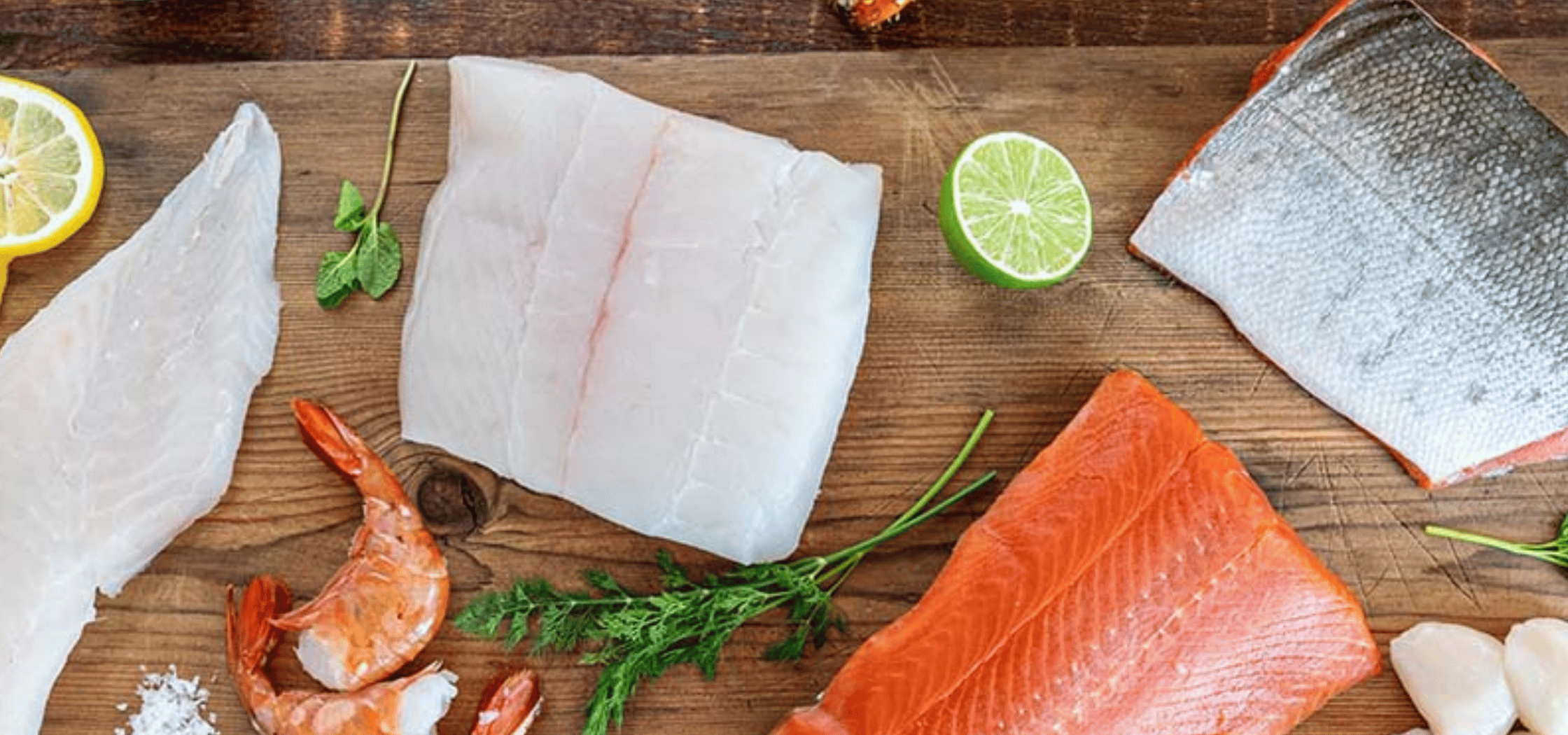
What's the Secret to Cooking Halibut?
We’ll start with an easy one… Don't overcook it.
Halibut has a firm, meaty texture but doesn't have as much fat as fish like salmon. That makes it less forgiving if you leave it on the heat too long.
A few other “secret” tips:
- Add some fat. Olive oil, butter, mayo, or a sauce can help keep halibut moist.
- Pay attention to the thickness of your fillet rather than relying only on a timer.
- Use a meat thermometer if you're unsure (we love this one)..
- Remember that your fish will continue cooking slightly after you remove it from the heat.
Once you get the timing down, halibut is one of the easiest fish to cook.
What Temperature Should Halibut Be Cooked To?
For food safety, seafood is considered fully cooked at an internal temperature of 145°F.
You can also tell halibut is cooked when the flesh has turned opaque and flakes easily with a fork.
Because wild Alaska halibut is lean and cooks quickly, we recommend removing the fish from the heat shortly before it reaches 145°F and allowing the residual heat to finish the cooking process.
How Long Does Halibut Take to Cook?
There isn't one perfect cooking time for every piece of halibut because thickness matters. A thin fillet will cook considerably faster than a thick, center-cut piece.
As a general starting point:
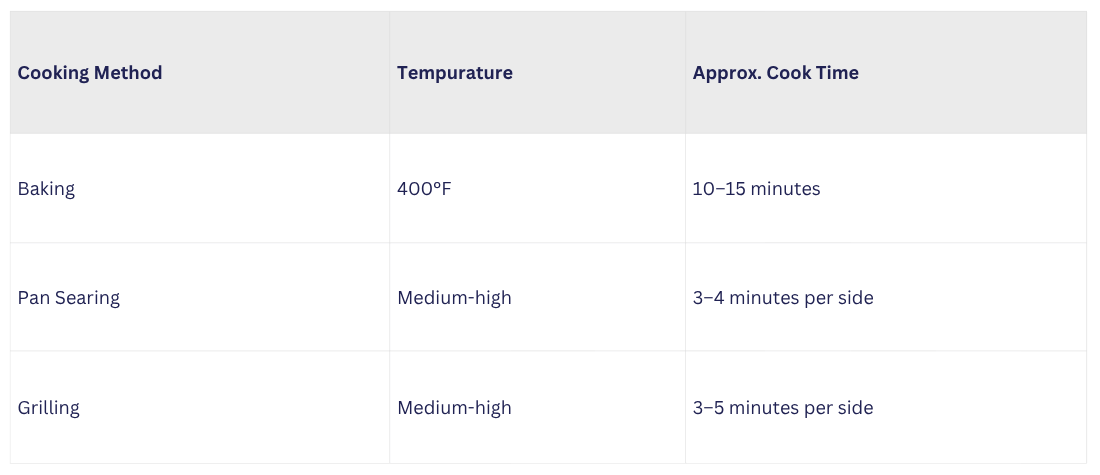
Remember, these are guidelines, not hard rules. Start checking your halibut on the early side, especially with smaller portions.
How to Bake Halibut
Baking is one of the easiest ways to cook halibut, especially if you're new to cooking fish. Set it, forget it (but not for too long), and enjoy..
- Preheat your oven to 400°F. Make sure it is all the way preheated before you put your fish in.
- Pat the halibut dry. Takes ten seconds and makes a real difference in how evenly the fish cooks.
- Add some fat and seasoning. Lightly coat your halibut with olive oil or melted butter, then season it however you like. Salt, pepper, garlic, lemon, and fresh herbs. You really can’t go wrong.
- Bake for 10 to 15 minutes. Start checking around the 10-minute mark. The exact time depends on how thick your fillet is, so don't just set a timer and walk away.
- Check the thickest section. It should be opaque, flake easily, and about 145°F. If it's not quite there, give it another minute or two.
For something with a little more flavor, try our Halibut Jalapeño with Crema.

How to Grill Halibut
Halibut is a great fish for the grill because its firm texture holds together better than a lot of softer white fish. The trick is keeping it from sticking, and, again, not overcooking it (are you sick of hearing that yet?).
- Preheat the grill. Medium-high heat. Give it time to actually get hot before the fish goes on.
- Oil the fish. Pat the halibut dry and lightly brush it with a high-heat cooking oil.
- Clean and oil your grill grates. Skip this step and you'll be fighting the fish to flip.
- Put the halibut on the grill and let it be. This is the hardest part for most people. Give it roughly 3 to 5 minutes before you even think about checking it.
- Flip once. Cook the second side until the center is opaque and the fish flakes easily. Resist the urge to keep moving it around. Let the grill do its job.
Halibut also works particularly well cut into chunks for halibut skewers, since its firm texture holds up on the grill (check out our latest recipe - Halibut Skewers with Chimichurri).
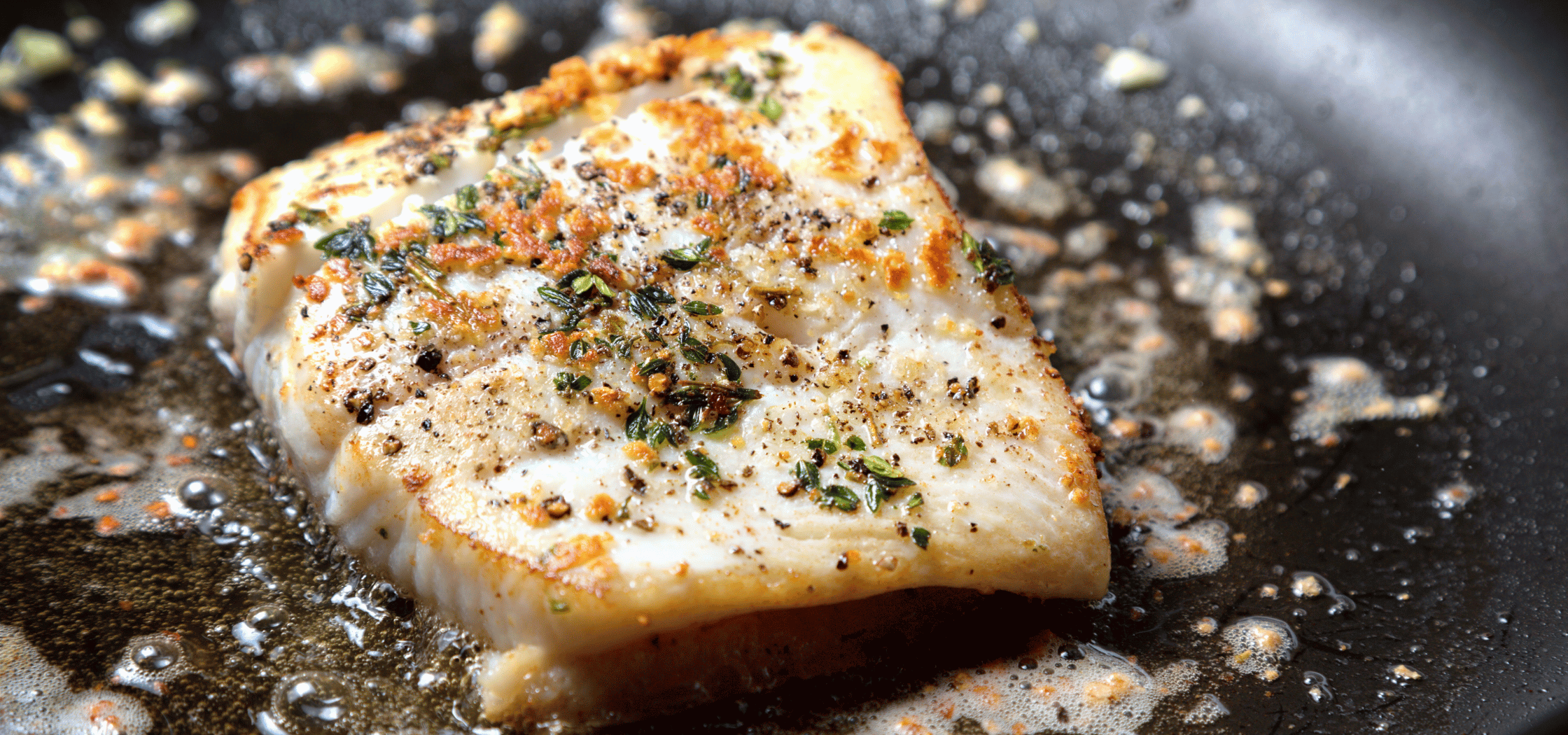
How to Pan-Sear Halibut
If you want a golden exterior and a tender center, pan-searing is one of the best ways to cook halibut.
- Pat the fish completely dry. This matters even more when you're searing. Moisture is the enemy of a good golden crust.
- Season with salt and pepper. You don't need much when you're starting with fish this good.
- Heat oil in a heavy skillet. Get the pan properly hot before the halibut goes in. Add it too early and you'll steam it instead of sear it.
- Add the halibut. Sear for approximately 3 to 4 minutes without moving it around. Let the crust actually form.
- Flip and finish cooking. Cook for another 3 to 4 minutes.
For especially thick pieces, transfer the pan to a 375°F oven to finish cooking gently.
Want to add a little crunch? Our Parmesan Crusted Halibut starts in a cast-iron skillet for a golden Parmesan-panko crust before finishing in the oven.
Can You Cook Halibut From Frozen?
Yes! You can cook wild Alaska halibut directly from frozen.
If you have time, thawing your halibut in the refrigerator generally makes it easier to season and gives you more control over cooking. But forgetting to thaw your fish doesn't mean dinner is ruined.
Frozen halibut can be poached by placing it directly into a pan of simmering seasoned liquid (water or broth), cooking it covered for several minutes, then turning off the heat and allowing the fish to finish cooking in the liquid.
How Do You Know When Halibut Is Done?
Look for these signs:
- The flesh has changed from translucent to opaque.
- It flakes easily when gently pressed with a fork.
- The center is moist rather than glassy or raw.
- The thickest portion reaches 145°F when fully cooked.
The key word here is moist.
If your halibut is tough, chewy, or noticeably dry, chances are it stayed on the heat a little too long.
Keep It Simple
One of the best things about good wild Alaska halibut is that you don't have to do much to it.
Bake it with lemon and butter. Throw it on the grill. Give it a good sear in a cast-iron pan. Add a sauce. Don’t over think it.
Once you know how to avoid overcooking it, halibut is an easy fish to keep in the freezer for quick weeknight dinners, summer grilling, or something a little more impressive when you have people over.
Peeler's Wild Alaska Halibut is wild-caught in Alaska, hand-selected at the dock, and flash-frozen to maintain its freshness and quality.
Frequently Asked Questions About Cooking Halibut
What is the best cooking method for halibut?
Honestly, there isn't one "best" way. It ends up being a preference. We've baked it, grilled it, seared it in cast iron, and they all work… and are all delicious. If you're new to cooking halibut, baking is the easiest place to start. Once you're comfortable, pan-searing gets you that golden crust, and the grill adds a smoky edge that's tough to beat in the summer.
What temperature should halibut be cooked to?
145°F, measured at the thickest part of the fillet. That's the food-safety number.
How do you cook halibut so it isn't dry?
Don't walk away from it.
Can you cook halibut from frozen?
Yes. You can bake it, sear it, grill it, or even poach it straight from frozen, no thawing required. If you do have the time, letting it thaw in the fridge overnight makes it easier to season and gives you a little more control.
Do you need to flip halibut when baking?
Nope, baking is pretty hands-off. Just slide it in and let the oven do the work. Grilling and pan-searing are different stories. Give it one flip so both sides get even heat and a good crust.


Get Location Alerts!
Notifications when we sell near you.