.svg)
.svg)
Is Wild Caught Seafood Better? A Simple Guide to Quality, Taste & Sourcing

If you've stood at a seafood counter wondering whether "wild caught" is worth it, or just a marketing buzzword, you're not alone. Here's what actually matters.
Walk into any grocery store and you'll see both labels side by side: wild caught and farm raised. The price difference is often real. The question is whether the quality difference is, too.
Spoiler: it is. But the reasons go deeper than most people realize. Flavor, nutrition, environmental impact, and the story behind your fish all matter. Let's break it down.

What Does "Wild Caught" Actually Mean?
Wild caught seafood comes from its natural environment (oceans, rivers, lakes) harvested by fishermen working open water. In Alaska, that means salmon running their ancient migration routes, halibut resting on cold seafloor, king crab picked from icy depths, and scallops pulled from pristine waters.
Farm raised seafood, by contrast, is raised in controlled enclosures (tanks, pens, or coastal pools). It's worth noting that aquaculture wasn't invented by corporations, it was pioneered by Norwegian fishing families in the mid-20th century as a way to survive years when wild fish stocks collapsed and the ocean simply couldn't provide. The roots of fish farming are humble and human. Where things get complicated is when industrial-scale operations prioritize volume over quality, leaning on antibiotics and cutting corners that affect the fish, the water, and ultimately the people eating it.
Understanding the wild caught vs farmed distinction, and what it actually means at scale, is the first step to making smarter choices at the seafood counter.
The Taste Difference is Real
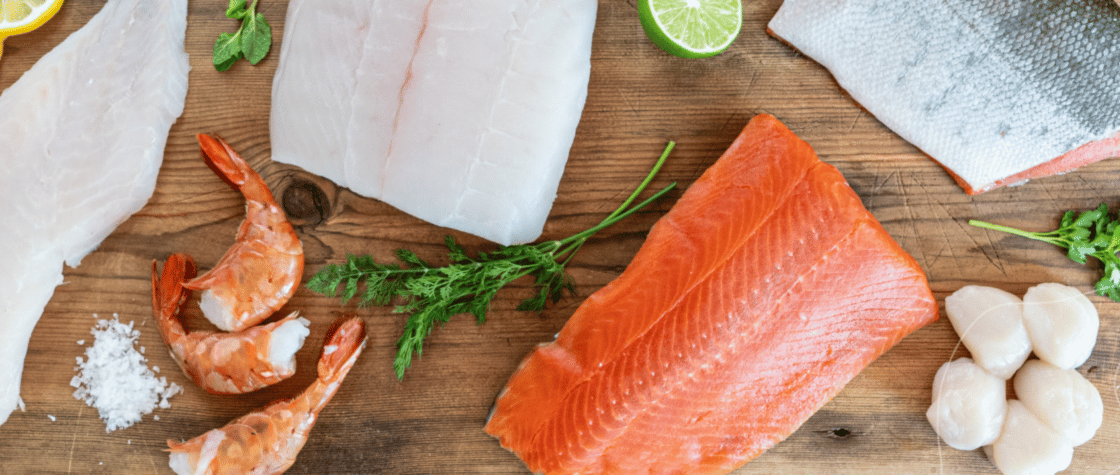
This is the part people notice immediately, and it's not subtle. Wild caught fish, especially Alaska salmon and halibut, has a cleaner, deeper, more complex flavor than farmed alternatives.
Here's why:
Wild fish swim constantly, building lean, firm muscle. They eat a natural diet of smaller fish, krill, and invertebrates. Farmed fish are typically more sedentary and fed formulated pellets. The result is a softer texture and a blander, sometimes fattier taste profile that some describe as "muddy."
The vibrant orange-red of wild sockeye salmon? That comes from astaxanthin, a powerful antioxidant found in the krill and shrimp they eat naturally. Farmed salmon often requires artificial coloring added to feed to achieve a similar appearance.
Wild Caught vs. Farmed: a Quick Look

The Nutrition Gap
Beyond taste, wild caught seafood consistently outperforms farmed in nutritional studies. Wild Alaska salmon, for instance, tends to carry significantly higher levels of omega-3 fatty acids (EPA and DHA) relative to omega-6s, the ratio that matters most for heart health, brain function, and inflammation reduction.
Wild fish also contain no antibiotics. Many aquaculture operations, particularly in overseas markets, rely on antibiotics to manage disease in crowded pen conditions. Alaska's wild fisheries need none of that. The fish manage themselves.
Why Sourcing Matters as much as "Wild"
Here's something the label doesn't always tell you: not all wild caught seafood is equal. The fishery, the harvest method, how the fish was handled after catch, and how it was frozen all affect quality enormously.
Alaska is widely considered the gold standard. Alaska's fisheries are managed under some of the strictest sustainability regulations in the world, the state constitution actually requires it. When you buy wild Alaska seafood, you're buying from fisheries that have maintained healthy fish populations for generations.
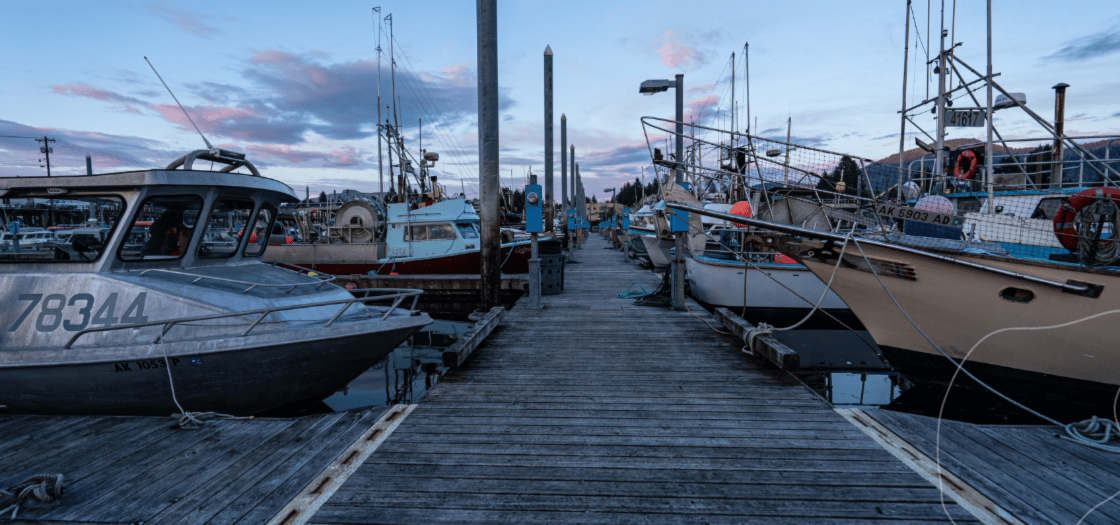
At Peeler's, our seafood comes directly from our family’s and friends fishing operation in and around Petersburg, Alaska, one of Southeast Alaska's most productive fishing communities. We've been doing this for over 50 years. We know exactly where every fish comes from because our fishermen are the ones catching and processing it.
Quick sourcing tip: Look for seafood labeled with a specific origin, not just "wild caught" but "wild caught Alaska" or a named fishery. Vague labels like "wild caught" without origin can include fish from less-regulated waters anywhere in the world. In Alaska, fish farming isn’t allowed, which means seafood labeled as “Alaska” is always wild caught.

What About "Fresh" vs. Frozen?
This is one of the biggest misconceptions in seafood buying. Frozen can absolutely be fresher than "fresh."
Most fish sold as "fresh" at grocery store counters has been previously frozen and thawed, often days ago. Wild caught fish that is flash-frozen at sea, within hours of being caught, locks in peak quality far better than fish that spends days in transit and display.
At Peeler's, our seafood is flash-frozen in Alaska and arrives in that preserved state, delivering genuine peak-season quality no matter where you are in Montana, Idaho, Wyoming, North Dakota and Utah.
So, is Wild Caught Seafood Worth it?
If you care about flavor, nutrition, environmental sustainability, and knowing where your food comes from, yes, absolutely. Wild caught Alaska seafood isn't a premium for premium sake. It's the product of real ecosystems, real fishermen, and generations of sustainable practice.
That's the whole reason Peeler's exists: to make that quality accessible to communities across the inland West, not just coastal cities. We drive to you because we believe everyone deserves seafood they can trust, caught by people they can know.
Ready to Taste the Difference? Find wild caught Alaska seafood near you! We drive to 60+ communities across Montana, Idaho, Wyoming, North Dakota and Utah. Online ordering with shipping also available.


Get Location Alerts!
Notifications when we sell near you.